
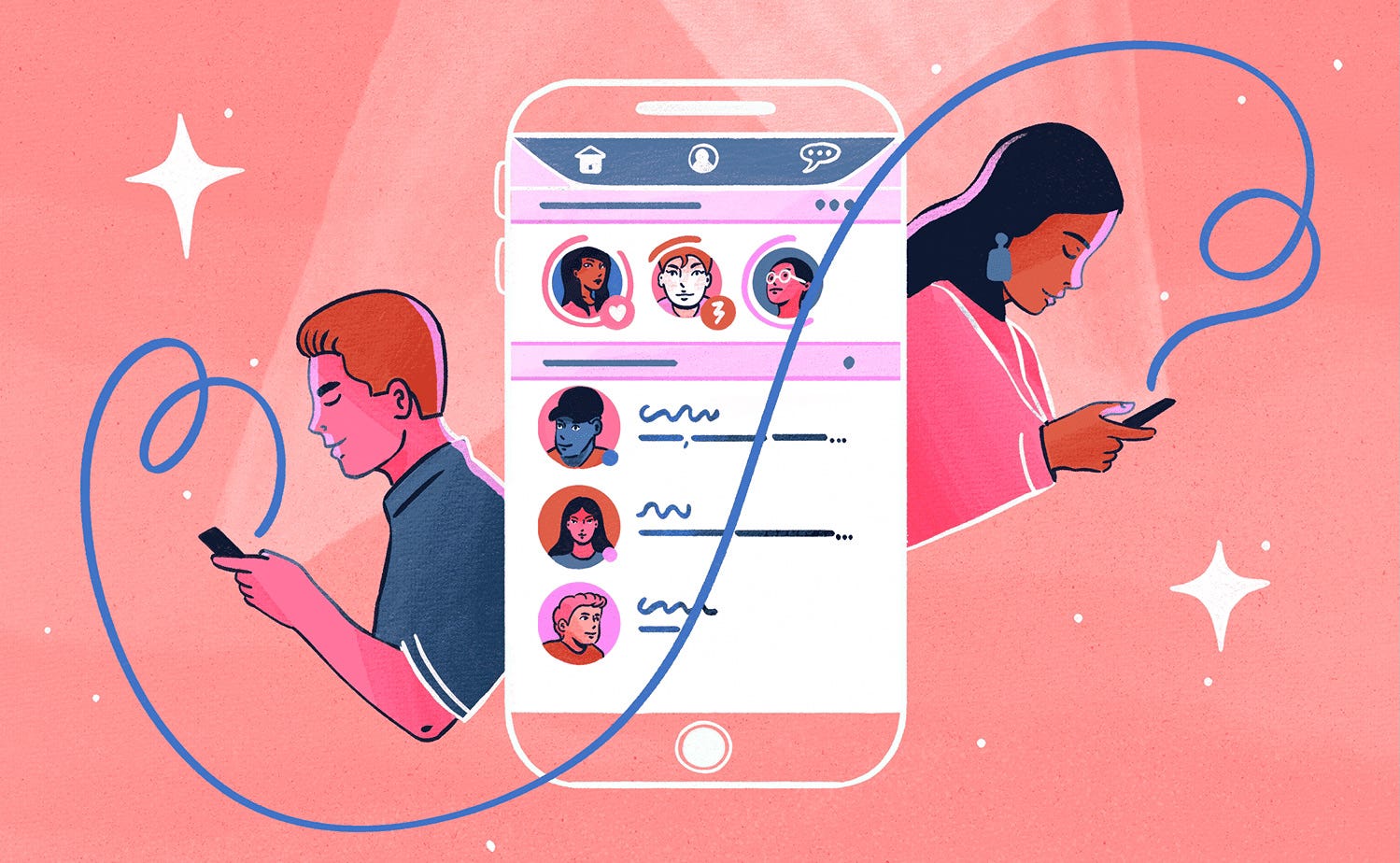
As you navigate the world of online dating, you may find yourself intrigued by the intricate psychological dynamics that underpin virtual interactions. From the subconscious influence of evolutionary psychology on your mate preferences to the rational calculations guided by social exchange theory Sugardaddy singapore, the landscape of digital romance is rich with complexities waiting to be explored. As you set out on this journey, consider the impact of profile photos, communication strategies, cognitive biases, and attachment styles in shaping your online dating experiences. Stay tuned to discover how these factors interplay to influence your quest for meaningful connections and enduring relationships in the digital age.
Evolutionary Psychology and Mate Selection
When considering the psychology of online dating, evolutionary psychology plays a pivotal role in understanding mate selection behaviors. Evolutionary psychology suggests that certain mate selection preferences are rooted in our ancestral past, where individuals sought partners based on qualities that would enhance reproductive success.
For example, men may be drawn to physical attractiveness in potential partners as it can be linked to fertility and health, while women may prioritize resources and status in men as indicators of their ability to provide for offspring.
Additionally, evolutionary psychology proposes that behaviors such as jealousy and mate guarding serve as mechanisms to guarantee reproductive success by preventing a partner from straying. This understanding can shed light on modern dating behaviors https://sundate.asia/sg/, such as feelings of jealousy in response to perceived threats to a relationship.
Social Exchange Theory in Dating
Considering the influence of evolutionary psychology on mate selection behaviors, an analysis of the Social Exchange Theory in dating provides further insights into the dynamics of relationships formed through online platforms. Social Exchange Theory suggests that individuals evaluate relationships based on the costs and rewards they perceive from them.
In the domain of online dating, this theory becomes particularly relevant as individuals navigate the intricate landscape of virtual interactions. When engaging in online dating, people weigh the potential benefits of a relationship against the perceived costs. This can manifest in various ways, such as investing time in conversations with multiple matches to assess compatibility or evaluating the effort required to maintain a connection.
Additionally, reciprocity plays a pivotal role in online dating interactions, where individuals seek mutual fulfillment and balance in the exchange of emotions, information, and support.
The Influence of Profile Photos
Profile photos serve as an essential element in shaping first impressions and influencing decision-making processes in the world of online dating. When browsing through profiles, individuals often rely heavily on these visual cues to determine initial attraction and compatibility.
Research suggests that profile pictures displaying genuine smiles are more likely to generate positive responses, as they convey warmth and approachability. Conversely, photos that are overly posed or edited may create skepticism and reduce trust.
The influence of profile photos extends beyond mere physical appearance. Factors such as background settings, clothing choices, and facial expressions can all contribute to how a person is perceived by potential matches. For instance, a photo taken outdoors may suggest an adventurous spirit, while a picture in a professional setting could indicate ambition and dedication.
It is important to remember that while profile photos play a significant role in online dating, they’re just one aspect of a person’s overall identity. It’s essential to pair attractive pictures with authentic and engaging written content to present a well-rounded representation of oneself.
Communication Strategies in Online Dating
When engaging in online dating, it’s important to keep in mind messaging etiquette tips to enhance your communication.
Utilizing emoticons and paying attention to the tone of your messages can convey emotions effectively in a digital setting.
Additionally, being mindful of the timing of your responses can play a significant role in maintaining a balanced and engaging conversation.
Messaging Etiquette Tips
Effective communication in online dating involves using appropriate messaging etiquette to enhance interaction and connection between individuals. When starting a conversation, it’s vital to personalize your messages instead of using generic templates. Mention something specific from the person’s profile to demonstrate genuine interest.
Keep your messages brief and engaging to sustain the other person’s interest. Respond promptly to show your eagerness and respect for their time. It’s crucial to be courteous in your language and tone, avoiding any offensive or overly familiar remarks. Remember to review your messages before sending them to make sure they’re clear and free of errors that could be misunderstood.
Additionally, be mindful of the frequency of your messages; allow for natural pauses in the conversation to avoid overwhelming the other person. By following these messaging etiquette tips, you can promote better communication and establish a stronger connection with your potential matches.

Emoticons and Tone
Utilizing emoticons in your online messages can greatly impact the tone of your communication, contributing to a more engaging and expressive interaction with your potential matches.
Emoticons, such as smiley faces, winks, or hearts, can add a layer of emotional nuance that text alone might struggle to convey. They provide cues about your feelings and intentions, helping to prevent misunderstandings and misinterpretations.
Studies have shown that incorporating emoticons into your messages can lead to more positive perceptions from the recipient, making you appear friendlier and approachable.
However, it’s essential to use them judiciously. Overusing emoticons may come across as insincere or immature, potentially undermining the seriousness of your conversation.
Timing of Responses
In online dating, the timing of your responses plays a significant role in shaping the dynamics of your communication and building rapport with your potential matches. Prompt responses can convey interest and enthusiasm, showing your match that you’re attentive and engaged in the conversation. On the other hand, delayed responses, while sometimes necessary, can inadvertently signal disinterest or lack of investment in the interaction.
Striking the right balance is essential. Responding too quickly every time can come across as overly enthusiastic or even desperate, potentially putting off your match. Conversely, waiting too long before replying may give the impression that you aren’t prioritizing the conversation or that you’re playing games.
Consider the context and content of the messages exchanged when deciding on the timing of your responses. Tailoring your response time to match the pace and tone of the conversation can help maintain a sense of mutual interest and respect between you and your potential match.
Impact of Algorithms on Matching
Algorithms play a pivotal role in shaping the effectiveness of online dating platforms by determining the compatibility of potential matches. These complex mathematical formulas analyze vast amounts of data, from personal preferences to behavior patterns, to generate match suggestions.
By utilizing algorithms, dating platforms aim to increase the likelihood of successful connections by presenting users with profiles that align with their interests and values.
The impact of algorithms on matching can be both beneficial and challenging. On one hand, these algorithms can streamline the matching process, saving users time and effort in finding compatible partners.
However, there’s a risk of oversimplification, where important nuances and qualities that contribute to a successful relationship may be overlooked in favor of predetermined criteria.
Ultimately, the effectiveness of algorithms in online dating hinges on the platform’s ability to balance data-driven matching with the organic development of relationships. While algorithms can provide a helpful starting point, fostering genuine connections still requires individual effort, communication, and a willingness to explore beyond the confines of predefined matches.
Self-Disclosure and Trust Building
The success of online dating interactions often relies on the level of self-disclosure and trust-building between individuals. When engaging in online dating, opening up about your thoughts, feelings, and experiences plays a pivotal role in establishing a connection with potential partners. Research suggests that self-disclosure fosters intimacy and can lead to a deeper understanding of one another. However, navigating this process with caution is crucial, gradually sharing personal information as trust develops.
Building trust in online dating involves not only revealing aspects of yourself but also being receptive to your partner’s disclosures. This reciprocal exchange of information helps create a sense of vulnerability and authenticity within the interaction.
As trust grows, individuals tend to feel more comfortable and secure in the relationship, leading to greater satisfaction and a stronger emotional bond.
Cognitive Biases in Decision Making
Understanding cognitive biases in decision making is essential when examining the dynamics of online dating interactions. These biases can significantly impact the choices individuals make when swiping through profiles or deciding whether to pursue a connection.
One common bias is confirmation bias, where individuals tend to favor information that confirms their existing beliefs about a potential match while disregarding contradictory evidence. This can lead to overlooking red flags or misinterpreting signals.
Another prevalent bias is the halo effect, where a positive trait of a person influences how other traits are perceived. In online dating, this could result in overlooking potential compatibility issues because of a single appealing characteristic.
Additionally, the availability heuristic can come into play, where individuals rely on readily available information when making decisions, such as basing compatibility on superficial factors like attractiveness rather than deeper compatibility markers.
Being aware of these cognitive biases can help individuals approach online dating with a more critical and discerning eye, leading to more informed decisions and potentially more successful connections.
Online Dating and Attachment Styles
Exploring the connection between online dating and attachment styles provides valuable insights into how individuals approach relationships in the digital domain. Attachment styles, stemming from early interactions with caregivers, influence how people form and maintain relationships.
In the domain of online dating, these attachment styles manifest in various ways. Those with a secure attachment style tend to feel comfortable with emotional intimacy and are more adept at forming healthy relationships online. On the other hand, individuals with an avoidant attachment style may struggle with closeness and vulnerability, leading to difficulties in establishing meaningful connections in the digital dating sphere. Meanwhile, those with an anxious attachment style may exhibit heightened concerns about rejection and seek constant reassurance from their online partners.
Understanding your attachment style can provide valuable insights into your online dating behavior, helping you navigate the complexities of virtual relationships more effectively. By recognizing how attachment styles influence your interactions on dating platforms, you can work towards fostering healthier connections and enhancing your overall online dating experience.
Psychological Effects of Rejection
Facing rejection in online dating can have a significant impact on your self-esteem and emotional well-being. Understanding coping mechanisms that can help you navigate these experiences is essential in maintaining a healthy mindset.
Building emotional resilience is key to bouncing back from rejection and continuing your online dating journey with confidence.
Impact of Rejection
Rejection in the context of online dating can have profound psychological effects on individuals, influencing their self-esteem and emotional well-being. When faced with rejection on dating platforms, it can trigger feelings of inadequacy and self-doubt.
Being passed over or unmatched may lead to a sense of unworthiness, causing individuals to question their desirability and attractiveness. This experience can be particularly challenging as it plays into deep-seated human needs for acceptance and belonging.
Moreover, the impact of rejection in online dating extends beyond just a momentary disappointment. It can leave lasting emotional scars, making individuals more cautious or hesitant in future interactions.
Repeated rejections may even lead to a fear of putting oneself out there again, hindering one’s ability to form meaningful connections. Understanding the psychological effects of rejection is essential in navigating the world of online dating with resilience and self-awareness.
Coping Mechanisms
Managing the aftermath of rejection in online dating often requires the development of effective coping mechanisms to mitigate the psychological impact on your self-esteem and emotional well-being. Rejection can trigger feelings of inadequacy and self-doubt, leading to a sense of disappointment and sadness. To cope with these emotions, it’s essential to practice self-care and self-compassion. Engaging in activities that bring you joy and fulfillment can help boost your mood and self-worth.
Additionally, reframing rejection as a natural part of the dating process can shift your perspective. Viewing rejection as a way to learn and grow, rather than a reflection of your worth, can lessen its negative impact. Seeking support from friends, family, or a therapist can provide you with a safe space to express your feelings and gain perspective on the situation.
Emotional Resilience
Developing emotional strength is vital in dealing with the psychological effects of rejection in online dating. Rejection can trigger feelings of inadequacy, loneliness, and self-doubt, impacting your mental well-being. However, by cultivating emotional strength, you can bounce back stronger from these setbacks.
When faced with rejection in online dating, it’s important to remember that it isn’t a reflection of your self-worth. Rejection is often about compatibility or timing rather than your value as a person. By reframing rejection in this perspective, you can mitigate its negative impact on your psyche.
Practicing self-care and self-compassion is another key aspect of building emotional strength. Engaging in activities that bring you joy, connecting with supportive friends, and practicing mindfulness can help you navigate the emotional challenges of rejection.
Furthermore, maintaining a growth mindset can aid in developing emotional strength. Viewing rejection as an opportunity for growth and learning, rather than a personal failure, can empower you to persevere in your online dating journey.
Long-Term Relationship Success Factors
To maintain a successful long-term relationship, understanding and mutual respect are key foundational elements. Understanding your partner’s needs, values, and communication style can foster a deep connection and empathy within the relationship. Mutual respect involves honoring each other’s boundaries, opinions, and autonomy, creating a sense of equality and support.
Research suggests that couples who actively listen to each other, show appreciation, and resolve conflicts constructively tend to have more enduring relationships. Additionally, shared goals and values play an essential role in sustaining long-term commitment and compatibility.
Creating a safe space for open communication and vulnerability can strengthen emotional intimacy and trust, essential for the longevity of a relationship. It’s vital to continuously nurture the emotional bond by expressing affection, practicing gratitude, and showing empathy towards each other’s emotions.
Conclusion
To sum up, understanding the psychology of online dating provides valuable insights into the intricate behaviors and motivations that shape virtual interactions. From evolutionary influences on mate selection to the impact of algorithms on matching, maneuvering through the complexities of online dating requires self-awareness, empathy, and effective communication skills.
By delving into cognitive processes, attachment styles, and the emotional impact of rejection, individuals can cultivate genuine connections and foster long-lasting relationships in the digital age.